
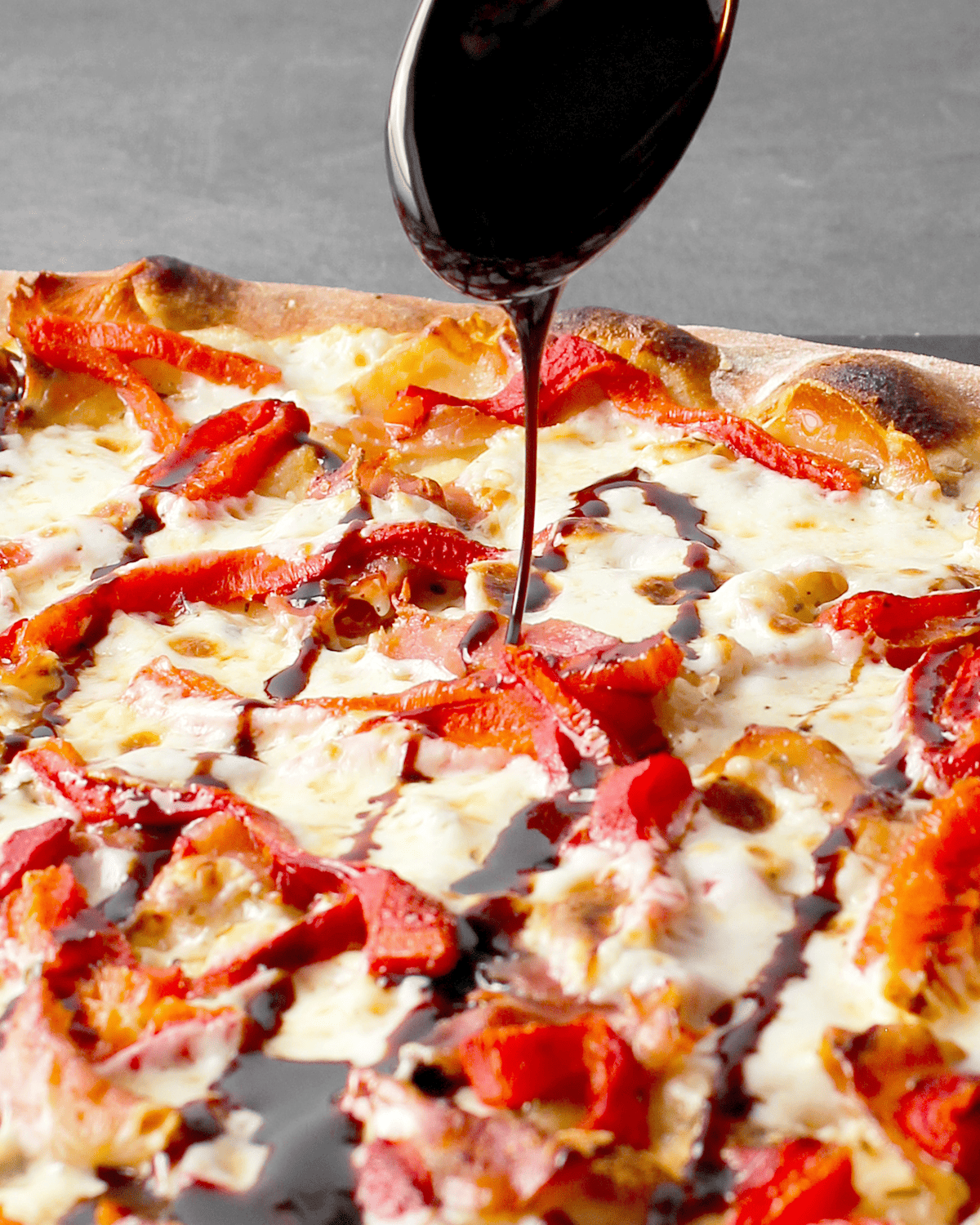
Aged balsamic—the thicker, syrupy kind—can be expensive and inconsistent from brand to brand. So, when I want to drizzle homemade pizza with the good stuff, I often make my own DIY balsamic glaze (a.k.a. reduction), using the thinner, less expensive balsamic vinegar that's always in my pantry. Read on for the super easy, 1-ingredient recipe, plus pizza pairings and other sweet and savory uses.
What is Balsamic Glaze?
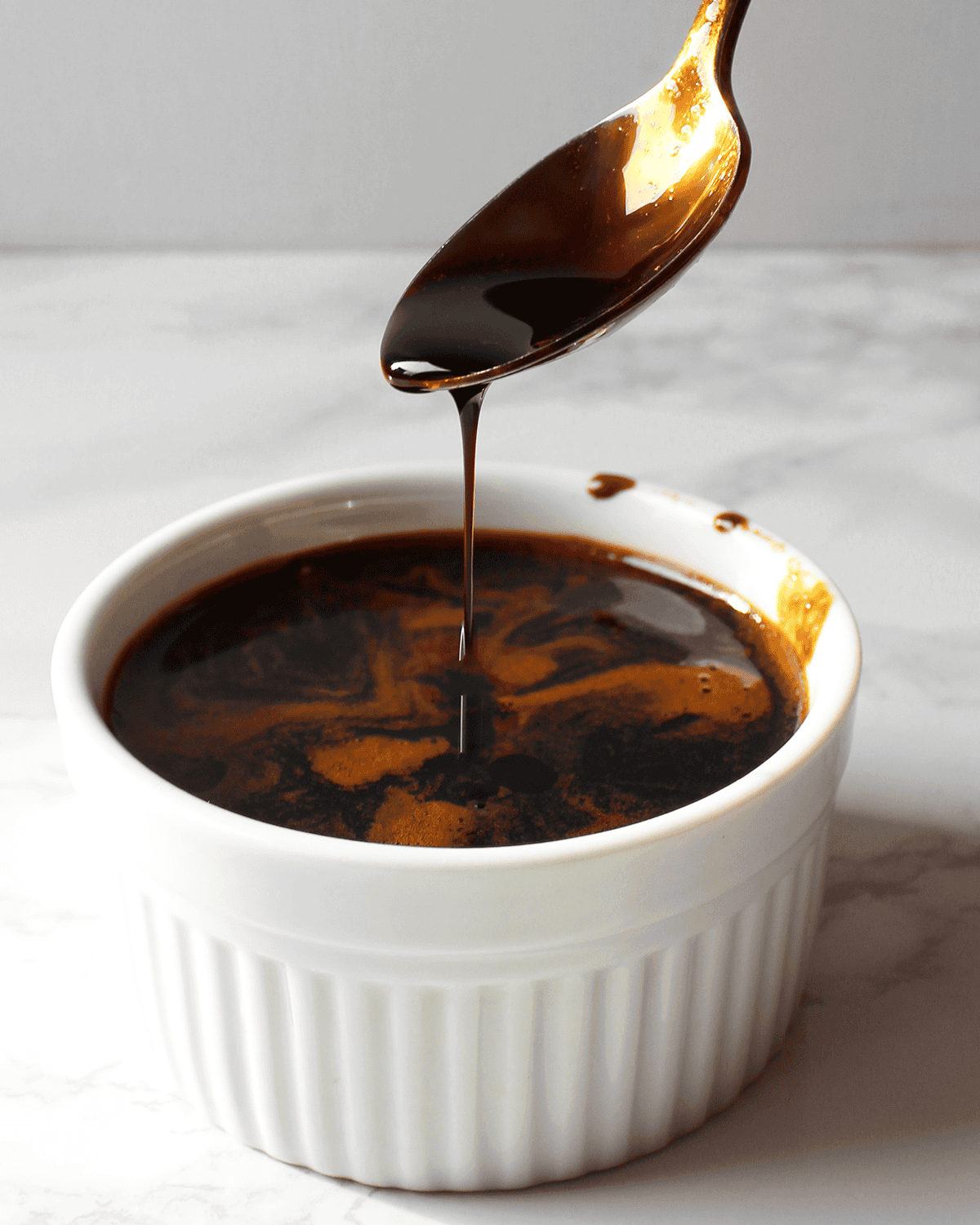
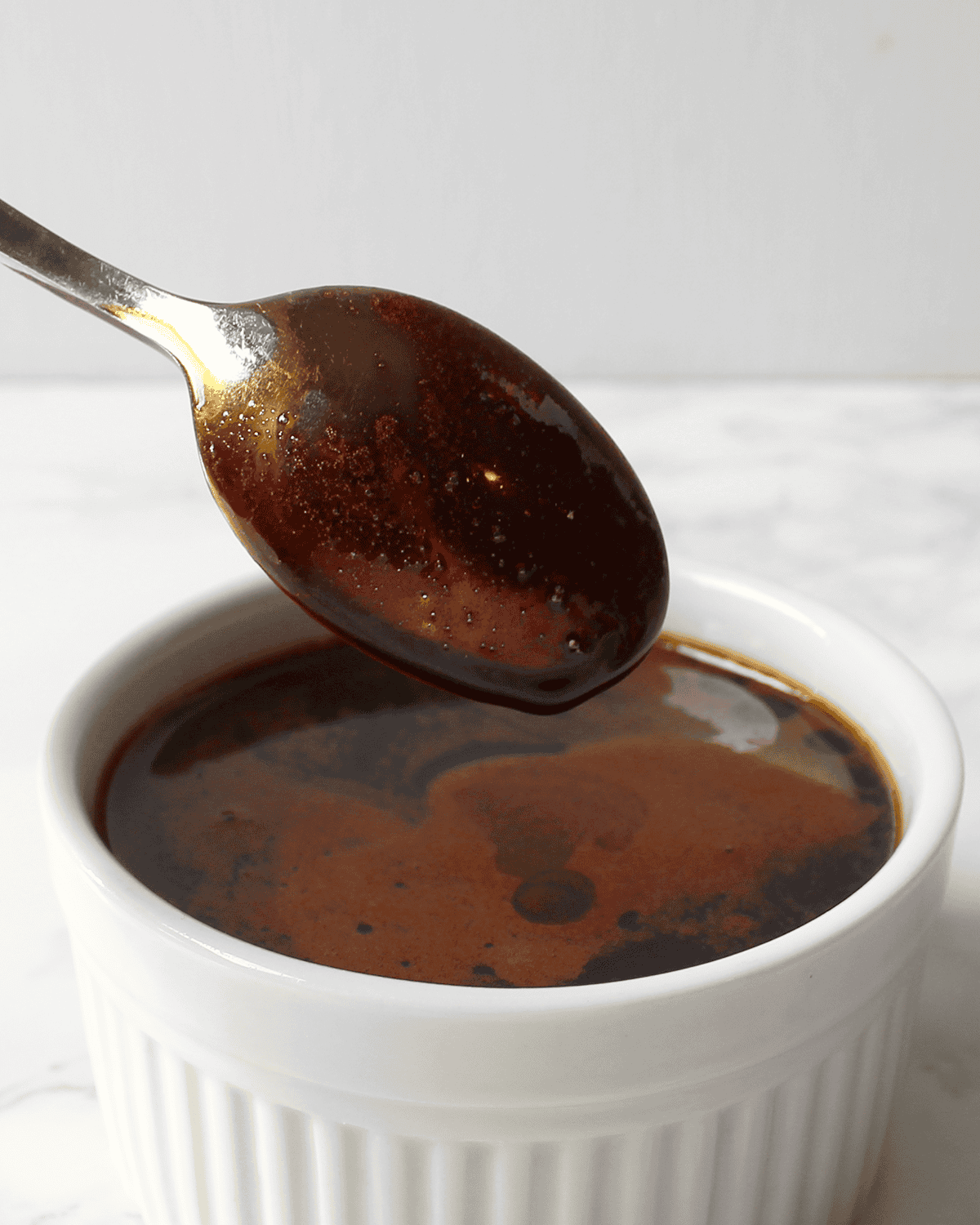
The word glaze makes it sound like a fancy sauce, but it's way simpler than that. Balsamic glaze, also known as balsamic reduction or balsamic syrup, is simply balsamic vinegar that has been cooked down (reduced) to a syrupy consistency. Sometimes with honey or sugar, sometimes without.
(I skip the sugar in the following recipe because I like the intensity and sweetness of pure balsamic glaze as it is. If you feel the need to add some extra sweetness, do me a favor and try the recipe without it first — the natural sweetness will surprise you!)
My Favorite Pizzas to Drizzle it On
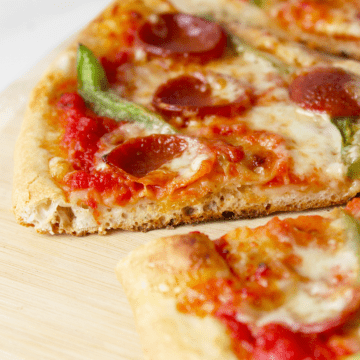
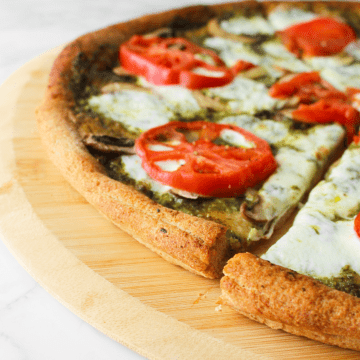
Balsamic glaze is a delicious post-bake garnish for just about any pizza. However, I find it tastes best on vegetarian or white pies, or those with delicate cured meats like prosciutto or pancetta.
- Tomato Bruschetta Pizza
- Pizza Margherita
- Ratatouille Pizza
- Prosciutto Pizza with Roasted Red Peppers
- Savory Peaches and Cream Pizza
- Fig and Prosciutto Pizza
- Vegan Eggplant Pizza
- Three-Cheese White Pizza
- White Pizza with Black Garlic and Ricotta
How to Enjoy Homemade Balsamic Glaze/Reduction (other than on pizza)
- On ice cream. I made this number-one on the list for a reason. Seriously. Drop everything, make a batch, and drizzle it over a few scoops of your favorite vanilla ice cream. *mic drop*
- With fresh fruit. Try it on any type of berry, or serve it as a dipping sauce with orange and apple wedges.
- To complement cheeses. Pour a little balsamic glaze into a ramekin and serve it on your next cheese board. It's especially delicious with aged parmesan, gouda, certain cheddars, and just about any goat or blue cheese.
- In vinaigrettes. Instead of regular vinegar, whisk some balsamic reduction with olive oil, salt, and pepper to make a simple salad dressing or marinade.
- Slathered on grilled meat and/or veggies. The deep richness of balsamic glaze might remind you a bit of barbecue sauce . . . so why not use it in a similar way?
- Tossed with roasted veggies (especially root vegetables and Brussels sprouts). Season a mix of chopped/cubed vegetables with olive oil, salt, and pepper, roast them until they're tender, and then drizzle them with some balsamic glaze before serving. Not only does the glaze add flavor, but it also gives the classic side dish some visual flair.
- Drizzled over homemade pasta, caprese salad, bruschetta, etc. Balsamic vinegar is an Italian thing, so it makes sense that the flavor goes especially well with Italian dishes.
DIY Balsamic Glaze
Equipment
- 1 Small saucepan
- 1 whisk or wooden spoon
Ingredients
- 1 cup commercial-grade balsamic vinegar (the thinner, more liquidy kind)
Instructions
- Pour the balsamic vinegar into a small saucepan and place it over medium-high heat.
- Bring the vinegar to a boil, then reduce the heat to medium-low and let it simmer (bubble gently) for 15 to 20 minutes or until it coats the back of a spoon and has reduced by at least half. The glaze will thicken up more as it cools.
- Remove the saucepan from the heat and let the glaze cool to room temperature before using. Refrigerate leftovers in an airtight container for up to 2 weeks.

Leave a Reply