
Intimidated by the process of homemade pizza dough? Learn how to avoid/fix 10 of the most common dough-making problems in this troubleshooting guide, complete with video pep talks and lots of handy tips.
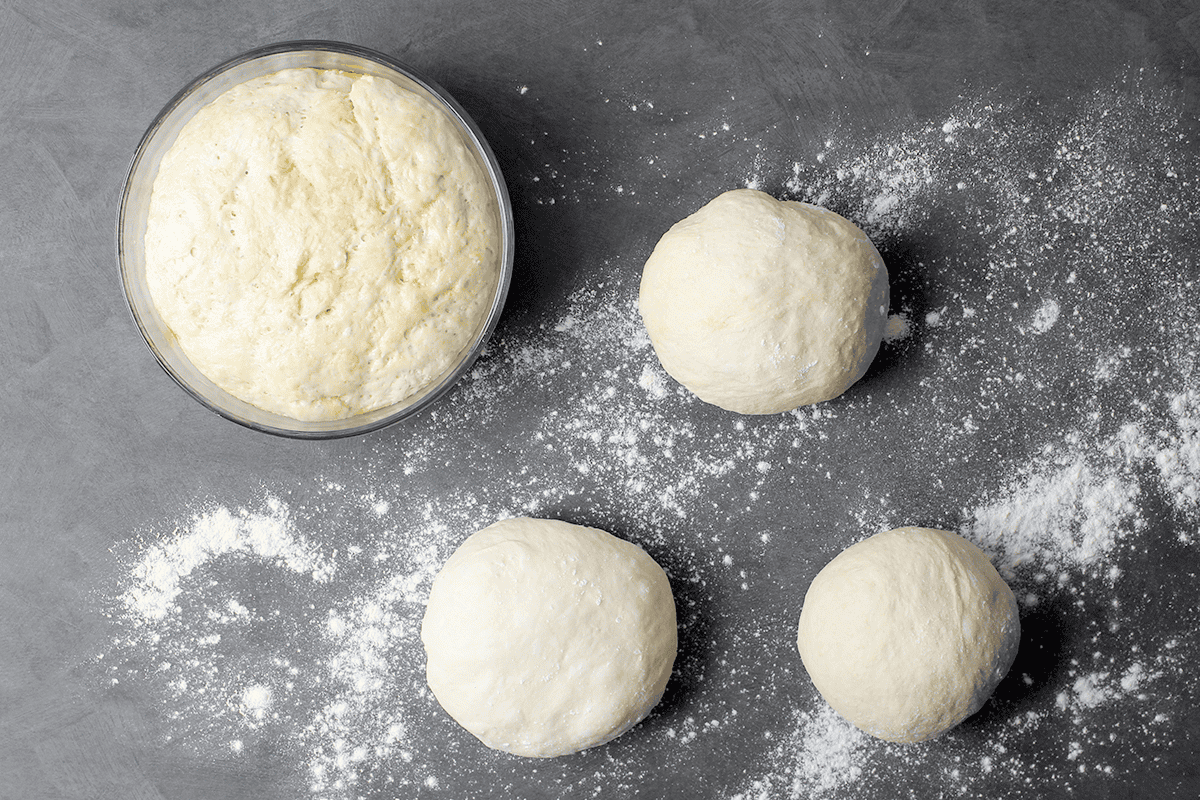
Yeasted dough can be frustrating. If the environment isn't just right, it might decide not to rise. Leave it out too long and it could puff up too much, bubbling out of its bowl. And then there's the stretching and folding and punching down and balling up. When do you do which? How do you know you've done it correctly?
Well, I'm no professional baker, but after 12+ years developing pizza recipes (and making it every week for my family), I do know a thing or two about homemade pizza dough. And I'm happy to report that, once you get the hang of it, pizza dough is one of the least scary yeasted doughs to work with.
Here are the 10 most common dough-making issues I hear from my readers (or encounter myself), organized in order from mixing the dough to topping and baking.
Mixing the Dough
"I can't mix all the flour into the dough."
Ever wondered why bakers and professional chefs use kitchen scales to measure ingredients by weight? It's because not all cup measures are created equal. My cup of flour will be a slightly different weight than your cup of flour, even if we both measure it the same way, but 461 grams of bread flour will be the same amount no matter what vessel you use to scoop it out of the bag.
If you're mixing dough and can't get it to absorb the flour at the bottom of the bowl, your proportions are a little off and you need to add more water. (The dough is too dry.) Start with a ½ to 1 teaspoon of warm water, squish it in with your fingers, turning the dough so the dry flour sticks to it, and knead until the dough comes together in a rough ball.
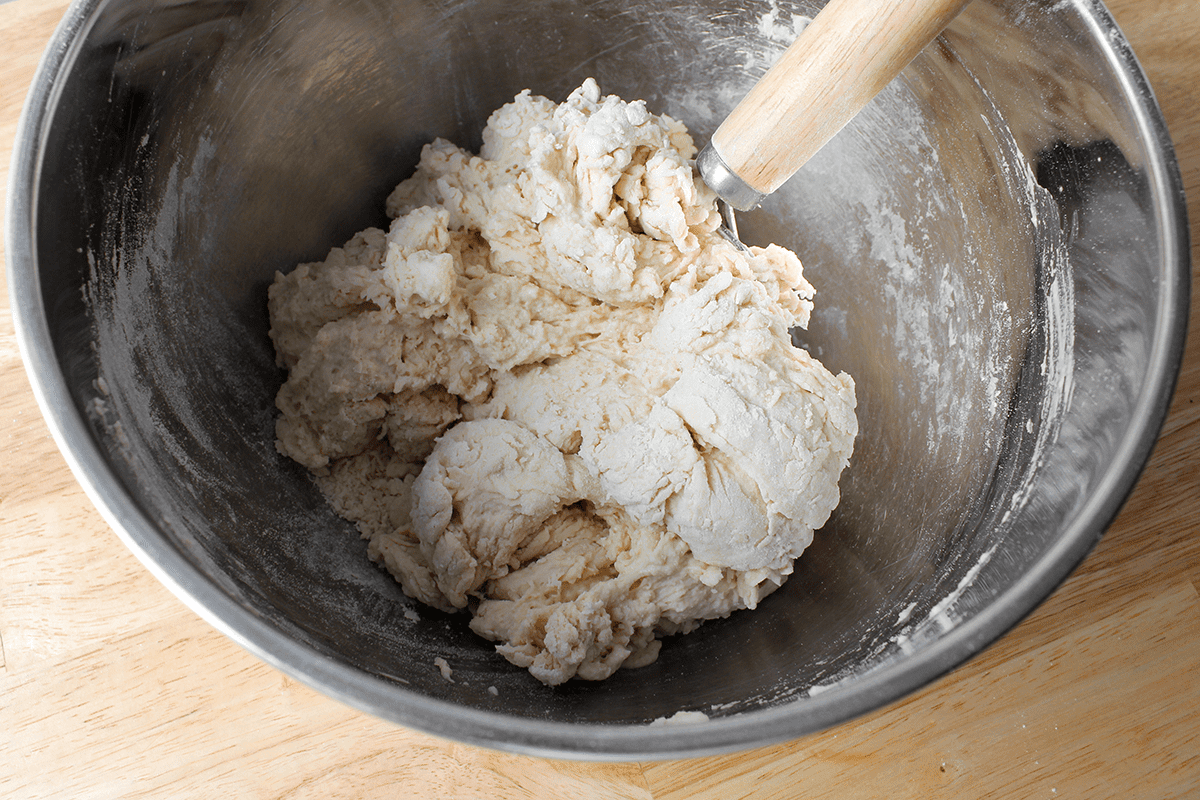
"The dough won't stop sticking to my hands."
In this case, your dough is too wet. Sprinkle a little flour (no more than 1 teaspoon) over the dough in the bowl and squish it in with your fingers, then turn the dough and knead until the flour is incorporated, adding a little more only if the dough won't unstick from your hands. Remember: Dough is naturally a little tacky. The trick is learning the difference between "tacky" and "sticky." (Tacky dough sticks a little to your hands as you work with it but stays together in one mass. Sticky, too-wet dough actually adheres to your hands, coming away in clumps from the ball.)
"My pizza dough feels lumpy."
This is usually a mixing issue and one of the reasons I like to make pizza dough by hand, rather than with an electric mixer. Preventing lumpy dough is simple: Just get your hands in there and squish in all those bits of flour until the dough feels uniform in texture.
Fermentation
"The dough didn't rise."
Has your yeast expired? If you've followed all the instructions in a recipe and your dough shows no sign of life (no bubbles, no expansion) after an hour or two sitting in its covered bowl at room temperature, the most likely explanation is that your yeast is dead. But give it a chance before you cancel pizza night! Doughs take longer to ferment in cold temperatures, so if its winter or your kitchen seems cooler than normal, let the dough rise for an extra 30 minutes or so, then check to see if it has expanded. If not, pivot to No-Yeast Beer Pizza Dough or buy a ball of dough at your local grocery store.
"My pizza dough smells like alcohol."
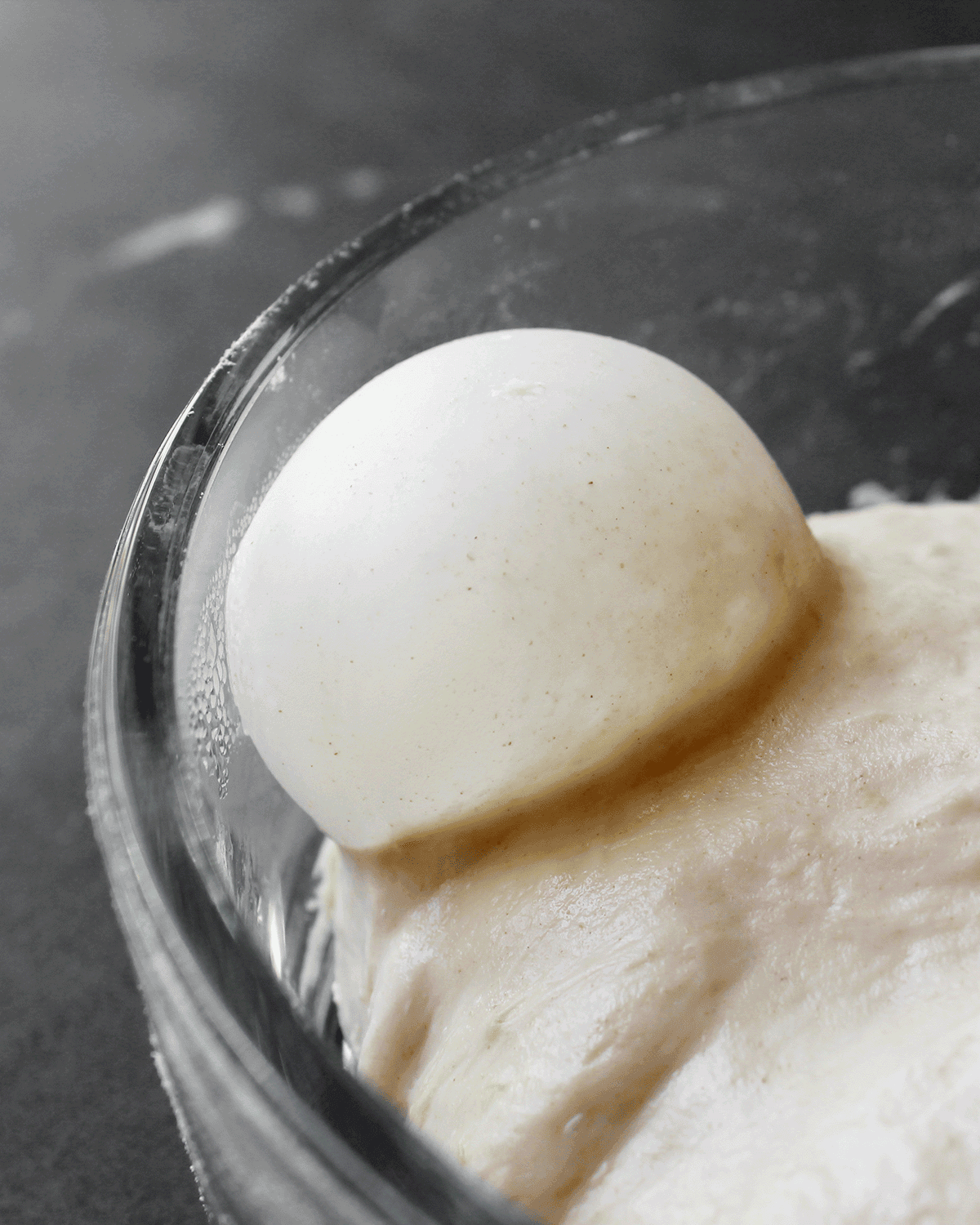
Longer-fermented doughs, like Neapolitan, New York, and Overnight, have a slightly tangy aroma, similar to sourdough. That's normal and translates to a deliciously flavored pizza crust! If your dough smells strongly like alcohol, though, and has extra-large bubbles, it has fermented a bit too much (over-proofed). In other words, the yeast has exhausted its food supply and the gluten structure is beginning to weaken.
The bad news: Over-fermented dough won't puff up as nicely as you want it to, and the finished crust might have a slightly unpleasant flavor. The good news: You can still use it! Punch down the dough, ball it up, and let it rest for 15 minutes or so under an upside-down bowl. Then stretch or roll it out, top it, and bake as directed in your recipe.
Working with Pizza Dough
"It's too sticky to work with."
You've mixed your dough and let it rise at room temperature, but it sticks to your hands when you try to ball it up. First of all, remember that "tacky" and "sticky" are two different things. The dough will definitely stick to your hands a little bit at this stage, but it should mostly release when you pull the dough away from your skin. If the dough feels gloopy and wet, use a bench scraper to drop it onto a floured countertop or board, then turn to coat it in the flour, shake off any excess, and divide and ball it up using floured hands.
"My pizza dough won't stretch."
I wrote a whole other post about stretching pizza dough, but for these purposes, here's the nutshell version: If the dough keeps springing back when you try to stretch it, it's probably too cold or needs some extra rest. Cover it with an upside-down bowl, go do something else (or use the time to prep pizza toppings), and try again in 15 minutes or so.
"The dough rips when I try to stretch it."
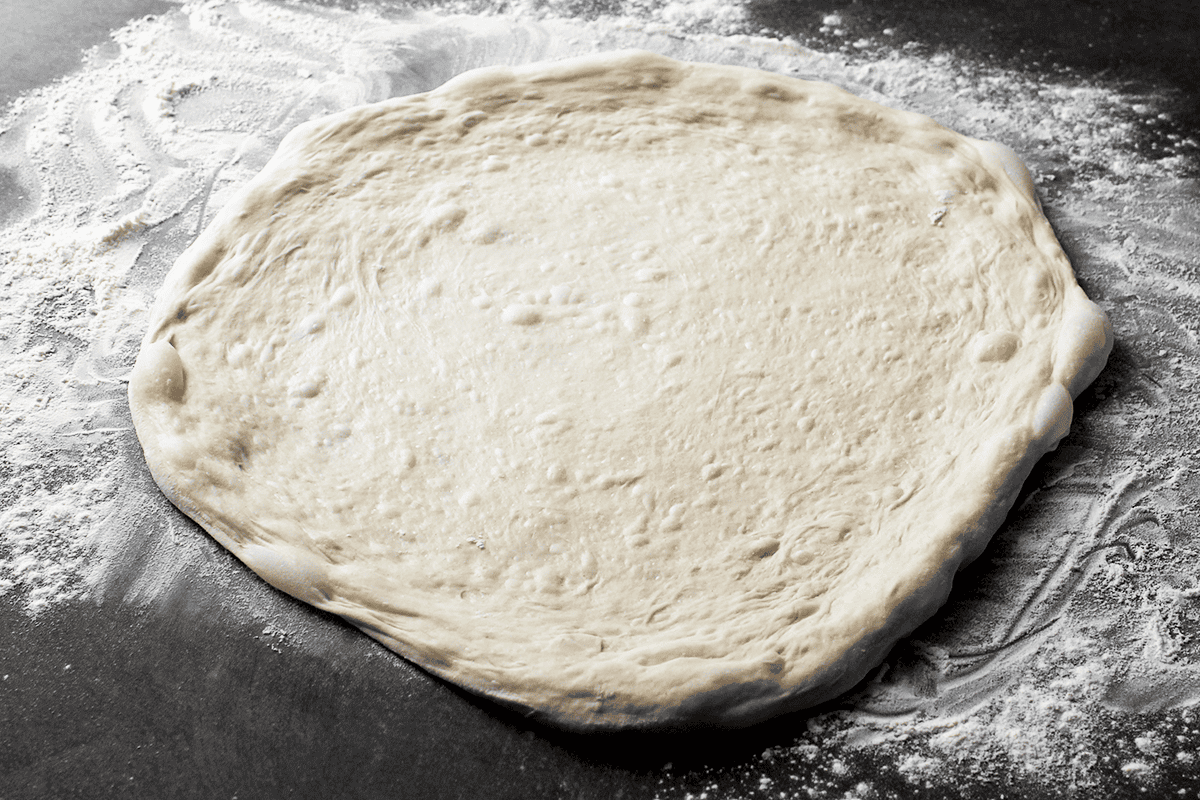
Even pizza pros tear their dough sometimes. If the dough rips during stretching, just lay the dough on your floured countertop or board and use your fingers to pinch the hole closed. Then just be careful around that spot if you're not finished stretching.
Topping and Baking
"I can't get my topped dough off the pizza peel."
When you're baking pizza on a preheated stone or steel in your home oven or in a high-heat pizza oven outside, you should be thinking about movement from the second you lay the stretched-out dough on your pizza peel. First, dust the peel lightly with flour. Then, lay the stretched- or rolled-out dough on top, give it a little shimmy to make sure it will move, and keep shimmying every now and then as you add toppings. If the dough won't move when you give the handle of the peel a little shake, slide a long offset spatula between the dough and the peel and try again. If it still won't move, sprinkle a little flour on the end of the offset spatula and try again. (Check out this post for detailed instructions on how to use a pizza peel.)
"My crust won't bake all the way through."
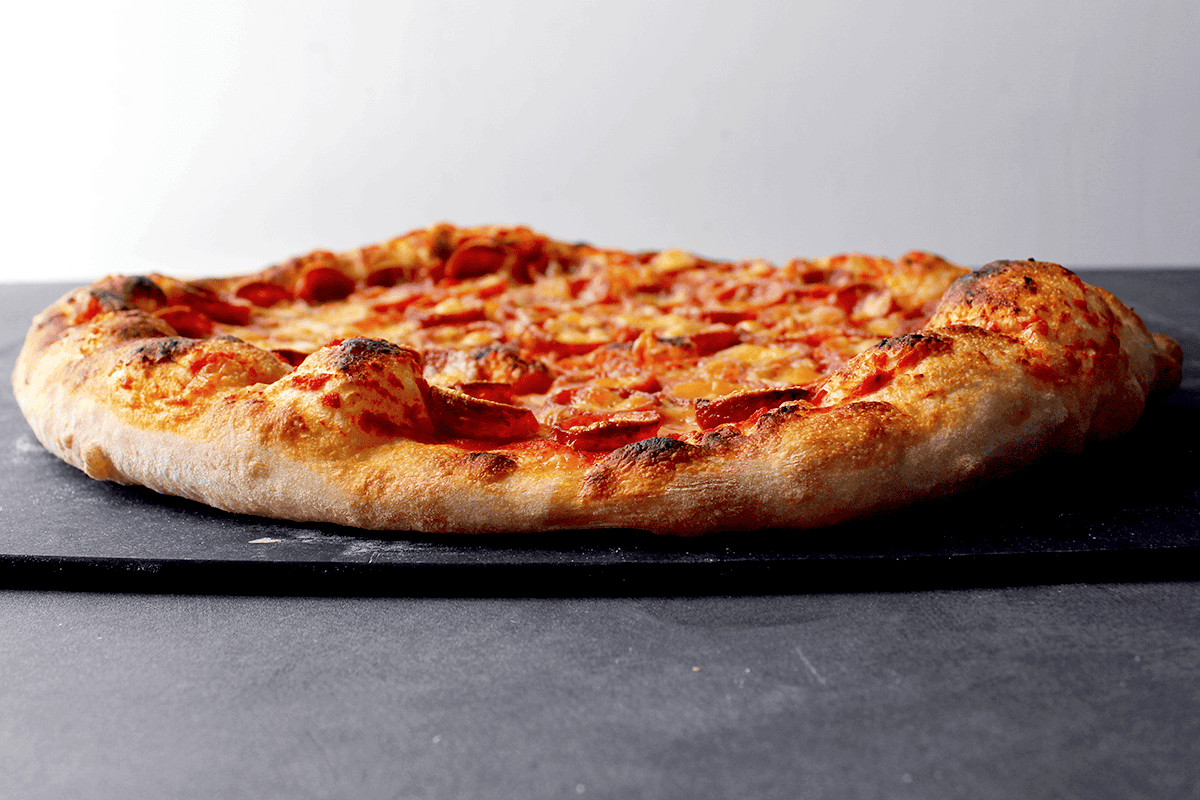
How thin did you stretch or roll out your dough? Is your oven really hot? Did you preheat your stone or steel plate? The first way to prevent soggy pizza crust is to stretch or roll the dough as evenly as possible, until you can see light through it. The second way is to make sure your oven is hot, and the third way is to bake the pizza a little longer than you think you should. A golden crust isn't enough—the underside of the pizza should also be evenly browned. When the crust looks cooked and the toppings are beginning to brown in spots, use an offset spatula or pizza peel to lift up one edge of the pizza so you can peek underneath. You'll know the crust is fully cooked when that underside is light brown with little dark spots all the way across.
Need more pizza-making advice?
My latest book, Pizza Rules: A Quick-Start Guide to Making Pizza at Home, is an all-in-one reference, including mix-and-match topping charts, 10 different dough recipes (with very detailed instructions), a separate chapter all about baking methods, guided notebook pages at the end of every chapter so you can keep all your ideas and recipes in one place. It's the closest thing to having me in the kitchen with you on pizza night. Click here to order a signed copy!

Leave a Reply